

From Appointment to Follow‑Up: How Modern Dental Experiences Are Winning Patients
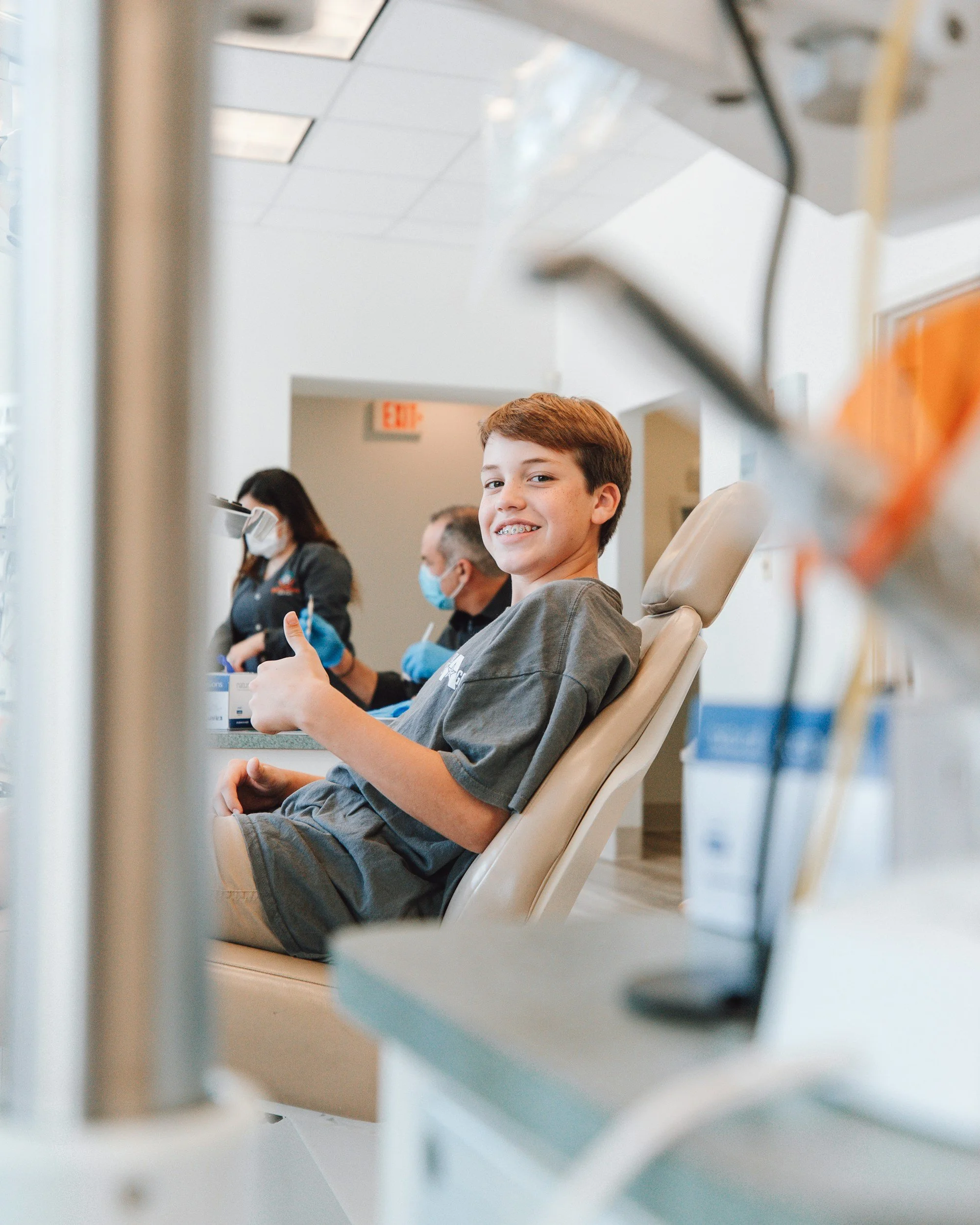
By leveraging technology and tools that help dental practices connect data, technology, and people to deliver patient experiences that feel seamless, transparent, and human, are exactly what patients expect.
Patient experience is no longer a “nice to have” in healthcare. It is a defining factor in where patients choose to receive care and whether they stay loyal to a practice. Today’s dental patients behave more like consumers than ever before. They compare providers online, expect seamless digital interactions, and value transparency just as much as clinical excellence.
For individual practices and dental service organizations (DSOs), innovations in patient experience are not just about technology, they’re about meeting rising expectations while building trust at every touchpoint. Below, we explore what modern patients expect, the innovations shaping patient experience, and how dental teams can stay competitive in an increasingly patient‑first landscape.
Digital-First Scheduling and Communication
Modern patients expect convenience from the very first interaction. Long hold times, limited scheduling options, and unclear communication are major friction points and common reasons patients choose a different provider.
What patients expect:
Online appointment scheduling available 24/7
Automated appointment reminders via text or email
Two‑way messaging for quick questions
Digital forms completed before arrival
According to a Deloitte healthcare consumer survey, over 60% of patients prefer digital tools for scheduling and communication rather than phone calls.
Dental practices that adopt patient-friendly digital tools reduce no‑shows, increase chair utilization, and create a smoother experience from day one.
Transparency in Pricing and Treatment Planning
One of the biggest frustrations patients report is confusion around costs. Patients expect transparency, even before treatment begins.
Patients want:
Clear treatment plans
Upfront cost estimates
Insurance explanations in plain language
Financing or payment options presented early
A 2023 study by the American Dental Association (ADA) found that cost uncertainty is one of the top reasons patients delay or avoid dental treatment.
Innovative practices now use digital treatment plans with visuals, side-by-side options, and real-time cost estimates. This empowers patients to make informed decisions and builds trust while reducing financial anxiety.

Patient experience directly impacts patient satisfaction, loyalty, reviews, and treatment acceptance.
Personalized, Human-Centered Care
Despite the rise of technology, patients still want to feel seen, heard, and understood. The modern patient experience blends digital efficiency with personalized human connection.
Key personalization trends include:
Remembering patient preferences (communication style, appointment timing)
Personalized follow-up messages after visits
Care plans tailored to lifestyle and long-term goals
According to Accenture, patients are more likely to remain loyal to providers who personalize their experience, even over those with more advanced clinical offerings. For dental teams, this means equipping staff with tools that surface meaningful patient insights, not just clinical history, but behavioral and engagement data, to deliver more empathetic care.
Frictionless In-Office Experiences
Once patients arrive, their experience should feel efficient, calm, and modern, not chaotic or outdated.
Modern in-office innovations:
Digital check-in
Minimal wait times
Clear wayfinding and signage
Calm, welcoming office design
A positive physical experience reinforces digital convenience. Research published in the Journal of Healthcare Management shows that patient perception of wait time often affects satisfaction more than actual wait duration. When operations run smoothly behind the scenes, patients perceive the entire practice as more professional and trustworthy.
Trust, Reviews, and Online Reputation
Today’s patients research providers extensively before scheduling. Online reviews, social proof, and brand consistency all influence patient trust.
What patients look for:
Recent reviews on Google and healthcare platforms
Responsive review management
Clear, professional online presence
According to BrightLocal, 87% of consumers read online reviews for local businesses including healthcare providers, before making a decision. Dental practices that actively request feedback, respond to reviews, and showcase authentic patient stories build credibility and attract more high‑intent patients.
Post-Visit Engagement and Ongoing Care
Patient experience doesn’t end when patients leave the chair. Modern patients expect continued engagement, reminders, and proactive care.
Innovations shaping post-visit experience:
Automated follow-up messages
Preventive care reminders
Educational content tailored to treatments
Easy rebooking options
The Harvard Business Review notes that retaining existing patients is significantly more cost-effective than acquiring new ones, emphasizing the importance of long-term engagement. By maintaining communication between visits, dental practices strengthen patient relationships and improve outcomes through preventive care adherence.
Why Patient Experience Is a Competitive Advantage
In a crowded dental market, clinical expertise alone is no longer enough. Patient experience has become a critical differentiator.
Practices that embrace innovation in experience:
Increase patient loyalty
Improve treatment acceptance
Reduce churn
Strengthen brand reputation
By leveraging technology and tools that help dental practices connect data, technology, and people to deliver patient experiences that feel seamless, transparent, and human, are exactly what patients expect.
FAQ
-
Patient experience directly impacts patient satisfaction, loyalty, reviews, and treatment acceptance. In today’s consumer-driven healthcare landscape, patients choose providers based on convenience, transparency, and trust, not just clinical skills.
-
Online scheduling, digital communication, transparent treatment planning tools, and automated follow-ups have the greatest impact on patient satisfaction and operational efficiency.
-
By adopting patient-friendly digital tools, focusing on personalization, and maintaining clear communication, practices can deliver exceptional experiences without massive overhead.